The Makings of a Champion
Laxmikant Pandey was born in 1935 in the village of Koiripur, near the ancient and culturally vibrant city of Varanasi, Uttar Pradesh. Growing up in a simple, values-driven household on the banks of the Ganga, he was drawn to the world of wrestling from a very young age — a discipline deeply embedded in the spiritual and physical traditions of rural India.
Known affectionately as "Chikkan Pahalwan" or "Chikkan Guru" — the Master of the Chikkan wrestling technique — Laxmikant Pandey began his training at the legendary Akhara Ram Singh in the Beniya Bagh area of Varanasi, under the mentorship of Guru Ram Singh. The akhara system, rooted in centuries of Indian tradition, shaped not just his physical prowess but also his character — instilling the values of discipline, humility and service that would define his entire life.
His training followed the traditional pahalwani system, which emphasises rigorous physical conditioning (vyayam), a strictly disciplined diet, and moral and spiritual practice (brahmacharya). During his formative years, Pandey also frequented other local akharas run by various ustads (masters) across Varanasi, demonstrating an inclusive and relentless approach to learning the art of wrestling.
He became particularly renowned for his mastery of the "Multani" move — a specialised wrestling technique that became his signature on the mat. This technical brilliance, combined with his raw strength and mental fortitude, propelled him from the dusty wrestling pits of Varanasi to the grandest sporting arenas in the world.
Representing India on the World Stage
Laxmikant Pandey's exceptional talent earned him a place on India's national wrestling team, and over a career spanning more than a decade, he represented the nation at three of the most prestigious international multi-sport events — the Olympic Games, the Commonwealth Games and the Asian Games.
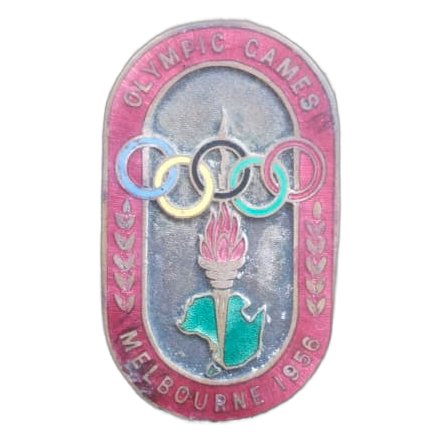
🏅 1956 — XVI Olympic Games
Represented India in men's freestyle lightweight wrestling at the Summer Olympics in Melbourne, Australia. At a time when Indian wrestling was still establishing itself on the international stage, Pandey's selection was a testament to his extraordinary skill and determination. His participation put Varanasi and India's traditional wrestling culture on the global map.
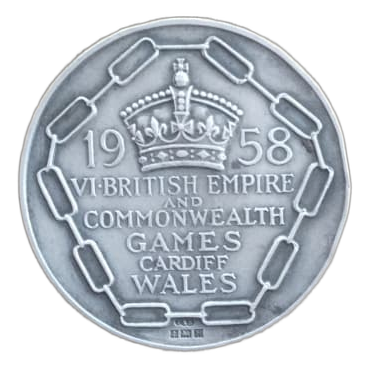
🥈 1958 — VI Commonwealth Games
Won a Silver Medal in the 73 kg freestyle wrestling category at the British Empire and Commonwealth Games in Cardiff, Wales. This was one of the crowning achievements of his career, bringing international recognition to Indian wrestling and showcasing the power of India's traditional akhara training on the world stage.
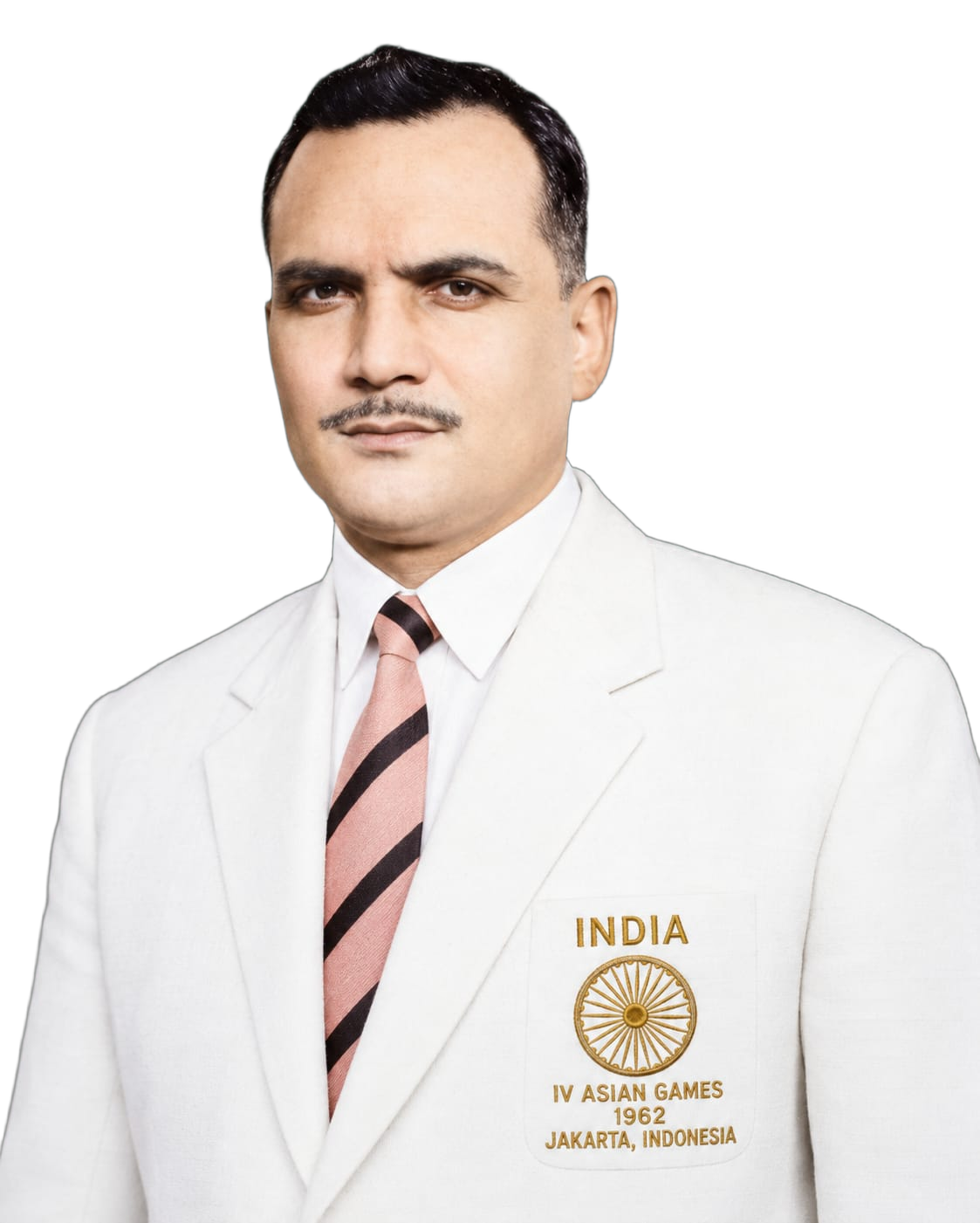
🥉 1962 — IV Asian Games
Earned a Bronze Medal in the 78 kg freestyle wrestling event at the Asian Games in Jakarta, Indonesia. Competing across weight classes at the highest levels demonstrated his versatility, adaptability and enduring physical prowess over a career spanning several years.
Beyond these marquee events, Pandey also represented India at the V Asian Games (1966) in Bangkok, Thailand, and dominated at the All India Police Games and National Games of India, winning multiple medals and cementing his reputation as one of the finest freestyle wrestlers India has ever produced.
A Guru Beyond the Mat
Following his retirement from competitive wrestling in the mid-1960s, Laxmikant Pandey did not step away from the sport — he stepped deeper into it. Returning to the very akhara where his own journey began, he became a revered mentor and senior guru at Akhara Ram Singh, devoting his later years to training the next generation of wrestlers.
He believed that wrestling was more than a sport — it was a form of "worldly asceticism" — a practice that cultivated not only physical strength but also moral character, self-discipline and resilience. He emphasised to his students that the values learned in the akhara — humility, respect for the opponent, and dedication to one's craft — were the true victories, far more valuable than any medal.
Pandey remained a central and deeply respected figure in the Varanasi wrestling community throughout his life. His influence extended beyond the wrestling pit — he was a leader, a counsellor and a keeper of the ancient traditions of Indian pahalwani. Under his guidance, countless young wrestlers from humble backgrounds found their path to competitive sport and personal growth.
He passed away on 14 December 2005, but his legacy lives on through every young athlete inspired by his story, every competition held in his honour, and every initiative of the Olympian Laxmikant Pandey Trust — the organisation founded by his family to continue his mission of sports promotion, education and community upliftment.
To honour his immense contribution to Indian wrestling, the Laxmikant Pandey alias Chikkan Pahalwan Memorial Inter-State Wrestling Competition was established — a premier platform that brings wrestlers from across the country together to compete, celebrate the traditions of the sport and remember the man who dedicated his life to it.
A Career of Honour
A lifetime of dedication to wrestling, representing India at the highest levels of international sport.
1956
XVI Olympic Games
Melbourne, Australia — Represented India in wrestling.
1958
VI British Empire & Commonwealth Games
Cardiff, Wales — India's representative in wrestling.
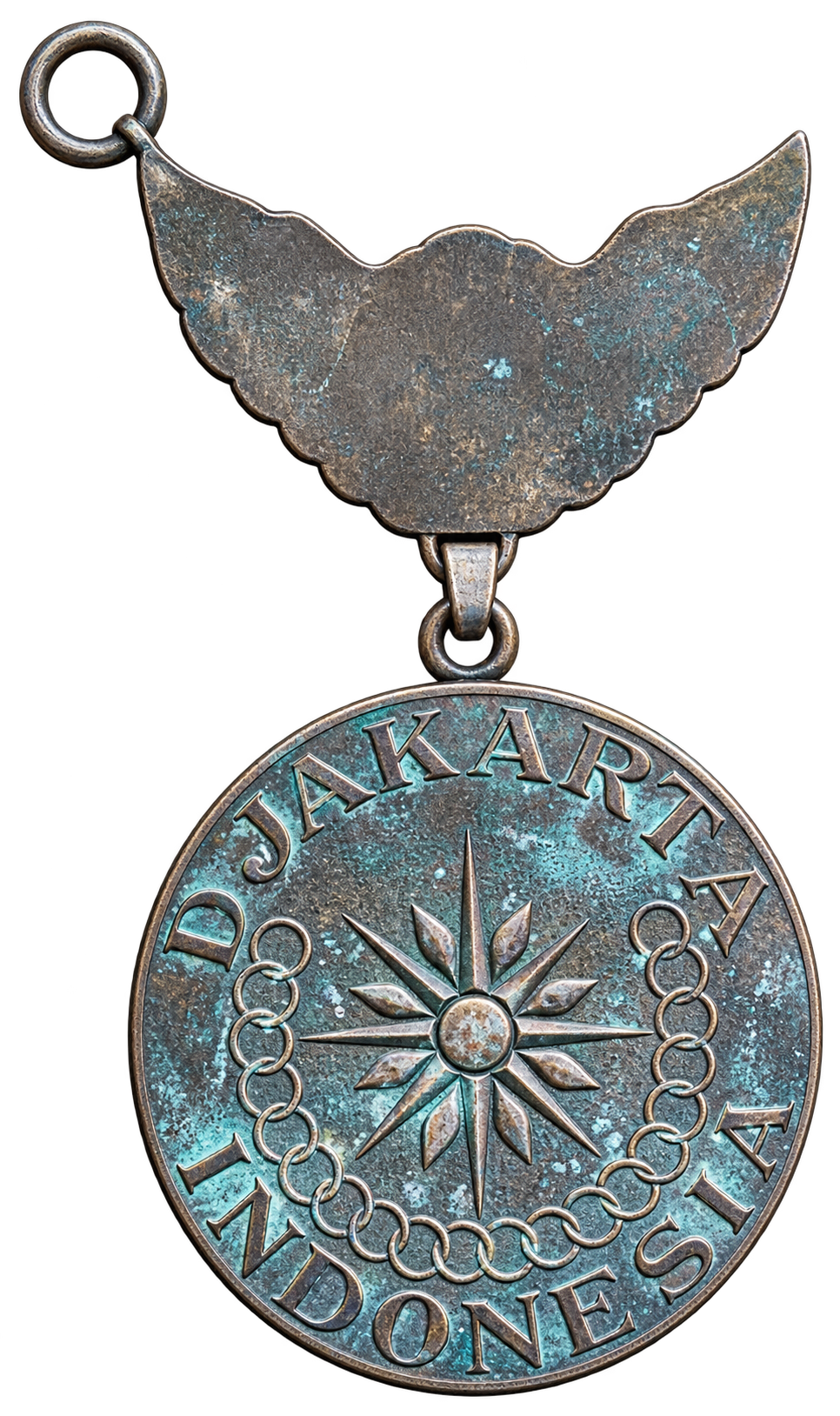
1962
IV Asian Games
Jakarta, Indonesia — Represented India in wrestling.
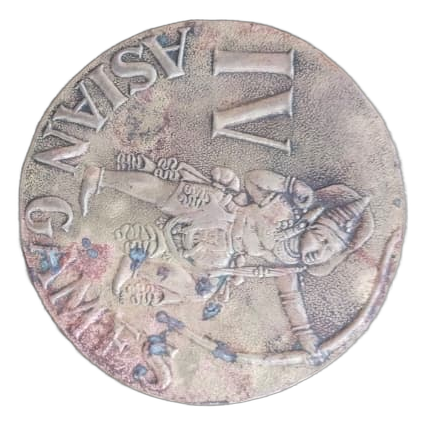
1962
IV Asian Games — Bronze Medal
Jakarta, Indonesia — Bronze Medal in Freestyle Wrestling.
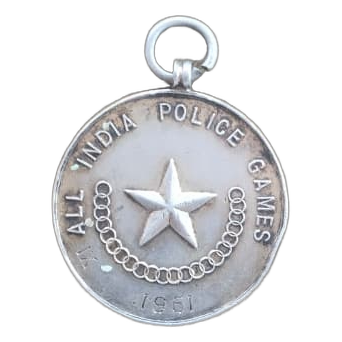
1961
All India Police Games
Multiple editions — Champion wrestler.
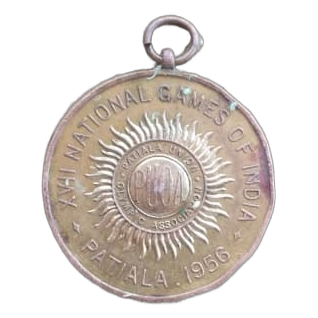
1956
XII National Games of India
Patiala, India — Competing at the national level.
Rooted in Values
The Pandey family continues to honour and carry forward the values of discipline, service and sportsmanship that Olympian Laxmikant Pandey embodied.
Spouse
Smt. Mithila Devi
Sons
- Prabhunath Pandey
- Shreenarayan Pandey
- Kapil Narayan Pandey
Daughters
- Neelam Tiwari
- Ratna Choubey
Grandsons
- Vinit Kumar Pandey
- Amit Kumar Pandey
- Nitin Kumar Pandey
- Yuvraj Pandey
Granddaughters
- Vishakha Dubey
- Deepika Pandey
- Richa Mishra
- Swati Mishra
- Bhargavi Pandey
Brother
Shri Parasnath Pandey
He passed away at the age of 26.